
The Path to Publication
As many of us set our resolutions for the new year, we may be aspiring to finally take the time to write that great idea we’ve had for a novel or draft a memoir. Sometimes, though, our excitement can be clouded by the steps that follow the writing process, or even beyond the stages of…
Stages of Editing
For aspiring writers and seasoned members of the writing community, the editing process is often met with a myriad of reactions. In some cases, writers are eager to begin—after all, reaching the editing milestone means a first draft has been written, and writer’s block has been conquered, at least to some extent. For others, editing…
Editing Tips Part 13: Key Differences Between Drafting & Editing
In the writing community, you can find many conversations about recommended methods for drafting and editing your manuscript. However, for many writers, there can be difficulty identifying the difference between the two. After all, the terms are often used interchangeably, yet in practice, drafting and editing are inherently distinctive stages of the writing process. Our…
When is a First Draft “Finished”?
For many writers, the eager anticipation of typing the words “The End” on the final page of a first draft is a feeling rivaled by few others. That is, perhaps, except for the surreal sensation that follows having finally typed those very words. After working for so long toward one goal—finishing a first draft—it can…

What is Creative Nonfiction?
If you have ever wanted to write a true story, you’ve probably been faced with the quandary of how to tell it. Nonfiction is a broad genre, one that spans from how-to manuals to academic and technical writing, and even journalistic articles, like weather reports or local or global events. But if what you want…
Changing Identifying Details
As we discussed in last week’s post, identity can be a tricky subject for authors as they decide whether they want to publish using a pseudonym. However, it isn’t only the author’s identity that may need to be concealed, at least when it comes to memoir, which tells a portion of their life story. But…
Should I Publish Under a Pseudonym?
Whether you’re drafting a novel, short story, nonfiction, or a memoir, writing is a vulnerable experience. No matter your genre, the writing process can often surprise us as we delve into depths of our psyche and our soul to a degree perhaps we’ve never before done…let alone allowed anyone in our lives to see, either.…
What is a Short Story?
In the world of creative writing, the options for fiction writers are numerous. While many readers and writers alike may most commonly be familiar with novels, there is another form of popular fiction: short stories. Found in numerous civilizations dating back to antiquity, short stories appear in the form of legends, mythology, folklore, and…

Editing Tips Part 12: Worrying about Word Count
Whether you’re considering writing for the very first time or have been drafting for years, there’s one question that crops up with every project: how long should your manuscript be? Depending on your manuscript’s category—short story, novella, or novel—there are some industry standards to aim for, but even those standards include a wide range with…
Ask a Publisher: What to Do with Rejection
You’ve finished your manuscript, edited it to the best of your ability, sent out some queries, and have been anxiously waiting for a reply from publishers. Then, your email pings with a new notification, and you see that it’s in response to your query…but it isn’t the news you were hoping for at all. It’s…
What is a Plot Hole?
At some point in every writer’s self-editing process, they’ll need to check their manuscript for plot holes. Although it’s something many writers may be able to identify for themselves, it’s always possible to miss one or two…until the manuscript is in the hands of alpha or beta readers or with a developmental editor. And while…

What’s the Difference? Plotters vs. Pantsers
If you’re a member of the online writing community, you may have seen the words “plotter” and “pantser” used to describe different approaches to drafting. Sometimes these discussions are accompanied by vocal folks who believe one approach is superior to the other, and discussions on Twitter tend to ferry writers into either the plotter or…
Ask a Publisher: How Can I Trust a Publisher With My Memoir?
As we addressed in a previous post, assessing whether a publisher is right for your manuscript is a process that should be completed with careful and well-researched consideration. For authors of memoirs, though, it can seem especially daunting. After all, you’ve written your life’s story—trusting someone else, let alone a company, to help you share…
Taking A Break From Your Memoir
You’ve decided to write a memoir—congratulations! That’s an incredibly difficult—and brave—decision. Ultimately, it may also be one of the most rewarding decisions you’ve ever made. There is, however, a lot that needs to happen between this decision and holding that book in your hands, and that extends beyond your editing needs. Writing a memoir is…
Should I Write My Life’s Story?
A thought that’s occurred to most of us, perhaps especially those of us who are survivors of any form of violence, is that there may be some benefit in writing a memoir. But even if it’s something we’ve considered multiple times, something we’ve bought a special notebook for or opened a Word document to do,…
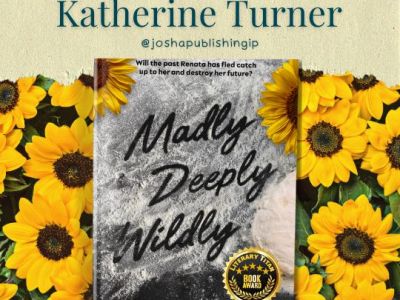
Release Day: Madly Deeply Wildly
At the risk of utilizing more puns than professionalism, I have to say, my excitement for today’s new release is madly overflowing from deeply within, and I am wildly anticipating the experience our readers will have as they receive their copies of Katherine Turner’s latest book, Madly Deeply Wildly. To all of us at Josha,…

Ask a Publisher: Why Do Submissions Sometimes Close?
From searching for the right agent or publisher to preparing your query to their specifications, the publishing process requires a tremendous amount of patience for every writer. Even once you have everything ready to submit and you’re confident in who you’ve chosen to hopefully review your submission, there can still be yet another hurdle to…

What Are Sub-Genres?
In literature, a genre is a specific category of writing, which is determined by the style of the prose, its tone, and whether or not the story told is true or fictitious. In a technical sense, there are four primary genres: poetry, fiction, creative nonfiction, and drama; you can read more about these genres by…
Editing Tips Part 11: Plotting, Outlining, & Writing it Out
It can happen in a flash. One minute, you’re going about your daily life, and the next, a glimpse of a new story zips through your imagination: characters and their lives and a world you never previously imagined take over your mind. Before you even realize what’s happening, these fragments start to take shape as…
Books on the Go: Summertime Reading & Writing
It’s almost summertime, and if you’re anything like me, that notion holds almost as much promise as an adult as it did in high school—weeks of sunshine bliss, a little bit of a break from the exhausting routine of the rest of the year, and, of course, hopefully some bonus time to read. But what…
What’s the Difference: Copy Editing vs Line Editing
Finding the right editor can be a tricky process, just like understanding all of the different forms of editing. For that matter, every author needs to perform their own self-edits of their manuscript at each stage of editing. And once the developmental editing stages are complete and the story’s structure and character development are solidified,…
Ask a Publisher: What Does Revise and Resubmit Mean?
The publishing process is oftentimes a long one, from the time you begin querying and searching for the right publisher to your first full manuscript request. And when you receive that first full manuscript request from a publisher or an agent, it can feel as though the stars are finally starting to align. Then, several…
The Future is Feminist
Guest post by Olivia Castetter I was recently having a conversation with an older gentleman about reading when he asked who my favorite author was. Picking favorites has never been my forte, so I had to think for a moment. While I did, he listed his favorites—Hemingway, Twain, Steinbeck, and Orwell. Of course, I knew…
Editing Tips Part 10: Showing vs Telling
In the realm of self-editing and receiving alpha and beta reader feedback, there’s one discussion that’s almost always present: showing versus telling. An element of both developmental editing as well as copy editing, a writer’s ability to know when to implement showing a reader what’s unfolding as opposed to outright telling them can be a…

What’s the Difference? Literary Agents vs. Acquisitions Editors
In the world of querying, there can be some confusion about the difference between literary agents—and if an agent is necessary—and acquisitions editors. Ultimately, these professionals have completely different roles. Both may receive a query in some form, though the angle with which they approach, consider, and respond to it will be different. And if…
Ask a Publisher: How Do I Choose The Right Publisher?
Congratulations! You’ve finished your manuscript, it’s been through multiple rounds of self-edits and reviews by editorial professionals, and now you’re ready to begin submitting your manuscript to agents and publishers! But wait…how do you know if a publisher is the right house for your book? Is it possible to know if they’re right for your…
All About Printed Proofs
After all the developmental editing, copy and line editing, formatting, and digital proofreading is completed, there is yet another step to take: reviewing printed proofs. And while this step is crucial, tedious, and sometimes a bit overwhelming, it’s also incredibly exciting. For many authors, reviewing a printed proof is the first time they’ll get to…

Release Day: Wildflower Promise
If you’ve been a fan of Josha books for any length of time, you may know that I, Olivia Castetter, have a special relationship with author Katherine Turner. We met in late 2019 when Katherine was looking for a proofreader for her first book, Finding Annie, the first in the Life Imperfect series. She contacted…

Ask a Publisher: How Does the Publishing Process Work?
Maybe you’ve decided to query Josha, or maybe you’re considering doing so when our submissions open again, but there’s one burning question in your mind: what’s the publishing process like? You can find answers to some specific questions on our FAQ page, but we’ll go into a bit more detail here on what you can…
From Silent to Speaking: Josha’s Focus on Survivor Stories
April is Sexual Assault Awareness Month, and at Josha, it’s a month that holds significant meaning to us—both because of book anniversaries and new releases, and because of what survivors’ voices mean to us. Our first book, Finding Annie by Katherine Turner,was released on April 10, 2020. In April of 2022, its sequel, Willow Wishes,…

Writing Without Experience
Writing a book—it’s an endeavor many people entertain at some point in their lives, one that is commonly followed by a concern about their writing abilities. For many hopeful authors, they wonder if they even can write a book without any writing experience. And while there’s much discussion in the Writing Community about so-called “must-have”…

Editing Tips Part 9: Finding the Right Editor
As we mentioned in the seventh installment of our Editing Tips series, there are many different types of editors. Many writers wonder if they really need every type of editor, and our answer is that while every manuscript needs each stage of editing, it’s not strictly necessary for each book to be edited by every…

What is Autofiction?
If you’ve perused our submissions guidelines or FAQs, you may be aware that Josha considers a wide variety of genres for publication. There’s one sub-genre of fiction, though, that we especially like to read, and it’s the same sub-genre as the very first book we published in 2020, Finding Annie. This sub-genre is known as…
Editing Tips Part 8: Sensitivity Reading
Sensitivity reading is a term becoming more common in the writing community, but what does it mean? A sensitivity reader is someone who has experience in a certain situation or condition and understands and is able to communicate areas of misunderstanding, stereotyping, or bias regarding a particular topic. These situations, conditions, or topics could range…
Ask a Publisher: Is My Writing Ready to Submit?
Congratulations—you’ve finished your draft! Now that you have a finished draft, the excitement of receiving a book contract or agent representation can seem like the very next step. But it isn’t quite that simple; there are still several steps between your finished draft and a submission-ready document. Of course, we recognize that many writers second-guess…
What’s the Difference: Alpha vs Beta Drafts
Throughout our editing tips series, we’ve shared tips and tricks for self-editing your manuscript at various stages. However, it’s important to note that before editing really begins—and once it commences—there are two terms to describe your draft. These are called the alpha draft and beta draft. These are called the alpha draft and beta draft.…

Ask a Publisher: How Does the Submissions Process Work?
One question we get a lot here at Josha is about our submissions process: specifically, what are the stages and approximate timelines for those stages? And while you can find the answers to specific questions on our FAQ page, here, we’ll cover in a bit more depth what to expect once you decide to submit…

Writing Romance Part 1: What is Love?
I launched my career as an author writing stories about love, and it’s what I still enjoy working on more than anything else. Even so, I hesitate to classify my fiction as romance. In fact, I don’t—they’re classified as autobiographical fiction or contemporary romantic women’s fiction. Do they involve romance? Most certainly. But that’s only…

Representation Matters
When I stop and think about the job I have, my mind struggles to process it. Growing up, I wanted to work with books somehow; for a while, I even dreamed I’d work for a publisher, helping sort through submitted manuscripts to find the ones I wanted to publish. I thought it’d be amazing to…

What’s the Difference? Memoir & Autobiography
You’re considering writing about your life—congratulations! While exciting, it also takes courage to do so, and describing what you want to do can be intimidating. You may also be wondering if what you’re aspiring to write is a memoir or an autobiography. While there are some similarities between these two subtypes of the nonfiction genre,…

Editing Tips Part 7: Types of Editors
So far in our editing tips series, we’ve shared some tips and tricks for how you can self-edit your manuscript. However, we always recommend working with a professional editor prior to querying if you’re aiming to acquire a contract with an independent or traditional publisher; if you’re planning to self-publish, we absolutely encourage you to…

Me, Too: Voicing My Story – A Year in Review
This one is for the silent survivors. Our voices are ours. Our stories are ours. We don’t have to hide what they did, because to hide what they did is to cloak our strength. Those four sentences are the dedication in my first book, Me, Too: Voicing My Story. I chose that dedication because as…

Editing Tips Part 6: Proofreading
Congratulations! You have a finished manuscript; you’ve been through possibly many rounds of editing, and your overall story as well as the word choice and sentence structure are now finished. It’s been a long journey, but you’re finally ready to publish. Well, almost. There’s one final editing step before you put your story into the…

Writing A New Reality
I’ve never stopped to count how many classic fairy tales we have here in the US, let alone the rest of the world. The most common ones that come to mind are Cinderella, Snow White, Sleeping Beauty, The Little Mermaid, Beauty and the Beast, and Rapunzel. Do you have a favorite? I don’t. Because I…
Editing Tips Part 5: Copy Editing
So, you’ve had a great story in your head and written it out, and you’ve decided you want to share it with the world. After you’ve shared it with beta readers and the manuscript has undergone developmental editing, all of which is more focused on the story itself rather than the elements of spelling, grammar,…
Editing Tips Part 4: Developmental Editing
When it comes to editing a manuscript, what most people readily think of are the classic red marks that correct grammar or typos: copy editing. And while copy editing is crucial, before you reach that stage, there’s another phase of editing: developmental editing. In our previous two posts in our editing series, we’ve shared some…

Healing Through Fiction
As a survivor who is healing while writing, I’ve realized that there is a unique form of healing that comes through my writing itself. While I certainly benefit from therapy and reading self-help books on topics that personally impact me, self-help books have their limits, and no volume will ever be a one-size-fits-all approach. For…

Editing Tips Part 3: The Hero’s Journey
For many writers, when trying to assess if their story “works” yet or is ready for the next stage of editing, they find themselves in a balancing act of developmental editing. On one side, there’s the plot’s progression; on the other, there’s the development and journey of one’s main character. While you can use Freytag’s…

Culture Matters
The Society for Human Resource Management (SHRM) says that organizational culture is comprised of the “beliefs and values established by leaders and then communicated and reinforced through various methods… [it] sets the context for everything an enterprise does.” In other words, the culture of a company is determined by the way leadership team members treat…

Resilient: Letter From a Reader
As one of Katherine Turner’s editors, I’m honored to be among the very first to read each of her books. This privilege began in November of 2019, when she contacted me to proofread her debut novel, Finding Annie. I’ve often thought how amazing it is that I’ve been alongside Katherine since the very beginning of…
A Memoir’s Impact: resilient
When I was first contacted about potentially being an editor for Finding Annie, Katherine Turner’s first novel, I connected to her writing on a soul-deep level. Unfortunately, I was going through some personal hardships and couldn’t be part of that first project, but I also received notes from a book in progress, which would later…
resilient: A Year in Review
As the one-year anniversary of the release of my childhood memoir, resilient, approaches, one of my editors keeps asking me how I feel. But the truth is, I don’t feel any single emotion. And when I look back on the journey that writing, editing, and releasing this memoir into the world has been, I see…

Resilient Stories
If I were asked to sum up in only a few words what kinds of books we publish, I’d say stories of resilience. Whether fiction or nonfiction doesn’t matter; every story with our logo on it is relaying a tale of human struggle and resilience. Of course, like Katherine Turner, our definition of resilience doesn’t…

Editing Tips Part 2: Story Structure
As many writers often encounter, there are numerous schools of thought when it comes to the drafting process. Fellow writers have opinions about whether or not you should edit as you write, if you should plot your story in its entirety before you write a single word or simply start writing and let the characters…

Books That Inspire, Encourage & Empower
When Josha was first conceptualized, I wanted to create a company that published books with an impact. For fiction, I wanted to publish stories with characters who were relatable, rather than idealized stereotypes or classically flawed; instead, I wanted to help usher stories featuring fictional people with real problems—and raw healing processes—into the world. And…

Why I Write What I Write
A question I get a lot is “Why do you write what you write?”—particularly in relation to my fiction. To answer that question, let me tell you a story. When I was in fifth grade, I was writing away with every spare moment I had that wasn’t spent reading. I remember with that vivid clarity…

Don’t Judge an Author by Their Origin
As an editor who works primarily with indie authors—and as an author whose book was produced through an independent publisher—I’ve had many conversations about the stigmas our group faces. Stigmas like whether or not we’re “real” authors and if we really published a book if it doesn’t have a well-known label on the spine. The…

Pride & Resilience
Instead of becoming easier, it seems society is regressing, and many are finding it more difficult than it once was to be and speak about their authentic selves. Rather than remaining quiet, however, they are finding creative alternative ways of making sure their stories and their messages are reaching the people who need them the…

Editing Tips Part 1: Top Five
You’ve finished writing, and now it’s time to start editing. Most likely, you’ll work with a professional editor further along in the process, but for now, self-edits are the next step. Where is the best place to start? Josha’s editors have come together once again to provide you with a few tips to make the…

Summer Reads
For many, summer has become synonymous with vacation season. And, at least before I had young kids, that meant extra reading time! With that season arriving, are you looking for books to add to your summer reading list? If you’re looking for suggestions, you’ve come to the right place: Josha’s got you covered. For Fiction…

Why Publish Fiction & Nonfiction?
In today’s world, we hear a lot about the power and promise of specialization, and that holds true for companies as well. If you look at successful companies, they specialize or ultimately they go under. This is especially important for small businesses where every decision is critical to the success of the company, every expense…
Book Bridges: An Editor’s Role
You’ve finished your manuscript, and now it’s time to find an editor. You know your book needs a professional edit, and you want to know what that process will entail. Will your editor understand your story as you’ve intended to write it? How will an editor help you revise your manuscript? And what can you…
Voicing Our Resilience
Sigmund Freud said that much of what we do in our adult lives can be traced back to our mothers. After all, they’re the ones who give birth to us, and typically the ones who raise us and nurture us. Traditionally, they’re the ones we run to when we’re in trouble, or hurt, or scared,…

Writing Through Trauma
Writing about trauma isn’t easy for anyone, and writing about your own trauma—what we call writing through your trauma—is downright difficult. You may worry that you’re sharing something that’s too graphic for readers or that your story doesn’t really matter after all. You may be triggered by revisiting traumatic events from your past and have…
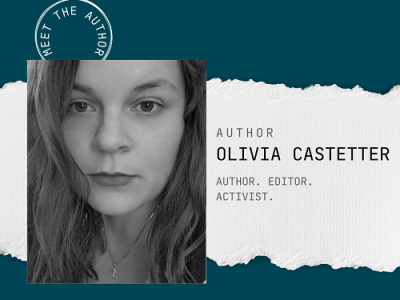
Meet the Author: Olivia Castetter
Olivia Castetter is the author of the Too Much memoir collection, as well as various other fiction and nonfiction pieces. In addition to writing and editing literary works that focus on trauma, abuse, and life as a survivor, she advocates for policy changes for sexual abuse survivors. Drawing on her experience as a survivor of…
Meet the Editorial Team at Josha Publishing
With Josha Publishing’s vision to inspire, encourage, and empower through sharing stories and giving a voice to the voiceless, it is imperative to have the right team. Each person must have the values of integrity, passion, and purpose that make up the roots of this company. Our authors trust us with their deepest wounds, and…

Meet the Author: Katherine Turner
Katherine Turner, Josha’s first author, is an award-winning author, blogger, and life-long reader and writer. She grew up in foster care from the age of eight and is passionate about improving the world through literature, empathy and understanding. She strongly believes we can all benefit from deeper insight into and compassion for the long-term effects…

Why Josha Publishing?
Hi! I’m Shanna, founder and owner of Josha Publishing. I started this company after surveying the traditional publishing landscape and realizing authors need a different publishing model that is focused on authors and their work, rather than the bottom line. I’ve found that when the focus is shifted from profits to content, there are fewer…
Can’t find what you’re looking for? Use the search form to search the site.
 Josha Publishing, LLC